
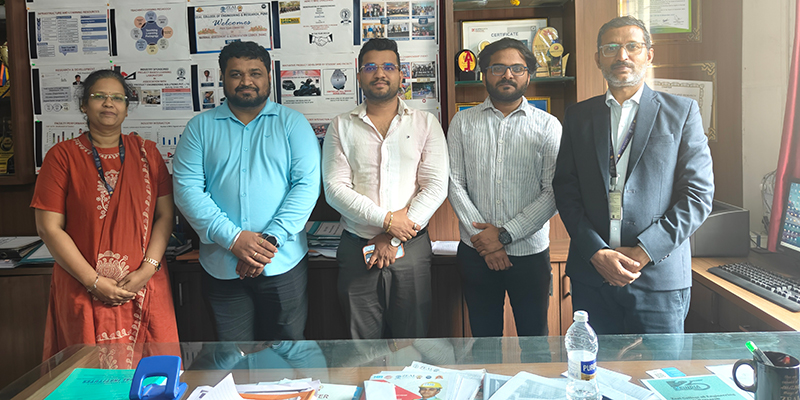
ALUMNI INFORMATION
Name of Alumni: Mr. Vivek Punde
Batch / Year: 2011
Department: Mechanical
Company Name: EDAG India
Designation: Manager
ABOUT CONDUCTION
Topic of Interaction: “Automotive Body Engineering and Product Development: Industry Practices, Career Opportunities and Technical Leadership”
Date: 17-10-2026
Time: 10.45 AM
Class: F. Y. B. Tech
Division: A
OUTCOME / REMARKS
Objective:
- To familiarize students with career opportunities in automotive body engineering, product design and development.
- To explain the role of design and development engineers in the automotive industry, particularly in body engineering and exterior trim systems.
- To create awareness about the application of CAD tools, including CATIA V5, in automotive product development.
- To highlight the importance of engineering fundamentals, design considerations, product quality and manufacturability in developing automotive components.
- To provide insights into professional growth from technical engineering roles to managerial and leadership responsibilities.
- To emphasize the importance of teamwork, communication, project coordination and problem-solving in multidisciplinary engineering projects.
- To encourage students to develop industry-relevant software skills, professional competencies and a continuous learning attitude.
- To familiarize students with emerging industry practices, including Industry 4.0, and the importance of adapting to technological advancements.
Summary:
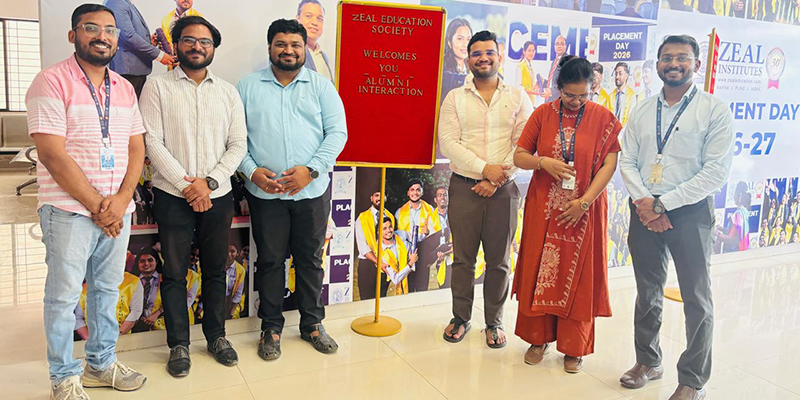
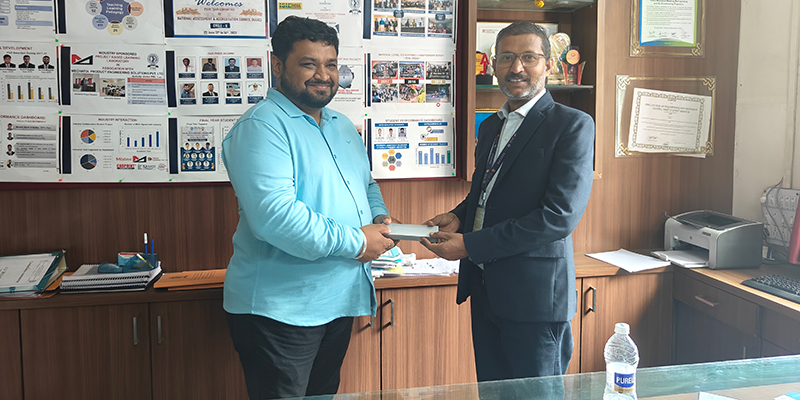
Mr. Vivek Punde, a 2011 batch alumnus of Mechanical Engineering with over 15 years of professional experience, interacted with Mechanical Engineering students and shared insights from his career in the automotive engineering sector. He is associated with EDAG India in a managerial role, with professional experience in automotive body engineering and exterior trims design and development. His LinkedIn profile also highlights exposure to CATIA V5, Lean Six Sigma, project management and Industry 4.0-related learning.
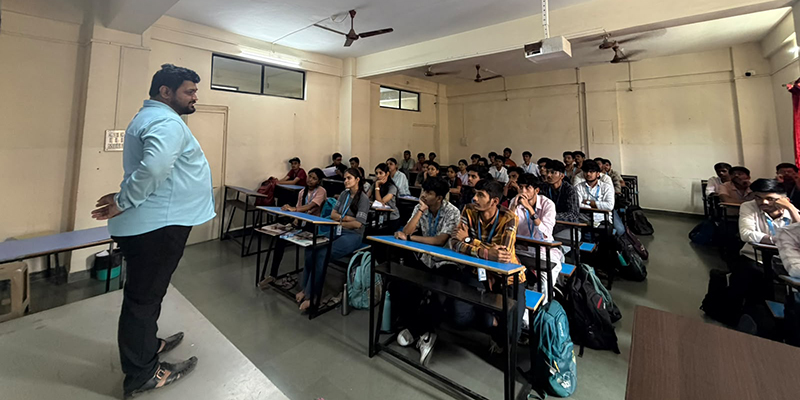
During the interaction, the alumnus discussed the significance of automotive product development and the role of mechanical engineers in designing and developing vehicle components and systems. He highlighted the importance of applying engineering fundamentals, understanding design requirements and considering product functionality, quality, manufacturability and practical constraints throughout the development process.
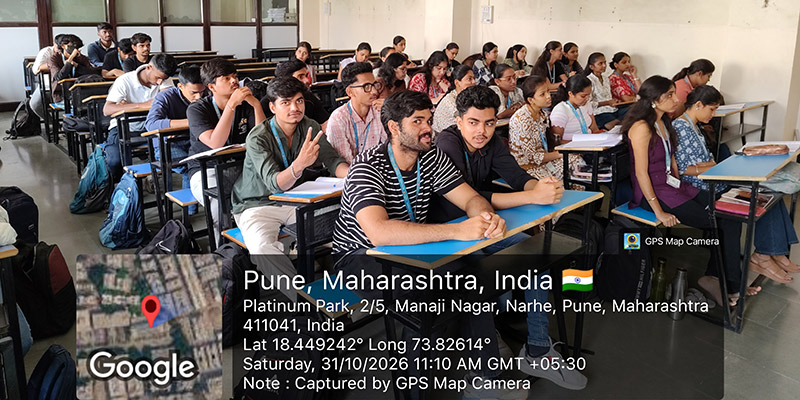
The session provided students with an overview of the importance of computer-aided design tools and industry-oriented technical competencies in automotive engineering. The relevance of CAD proficiency, systematic problem-solving and continuous improvement was emphasized. Students were encouraged to strengthen their understanding of design principles and develop practical skills using relevant engineering software.
The alumnus also shared professional insights into working in multidisciplinary teams and coordinating engineering activities in an industry environment. He emphasized that career progression requires more than technical expertise; effective communication, collaboration, decision-making, project coordination and leadership are also important for professional growth.
The interaction highlighted the need for mechanical engineers to remain updated with evolving automotive technologies, digital engineering practices and industry expectations. Students were motivated to participate in technical projects, develop hands-on competencies and prepare themselves for opportunities in automotive design, product development and allied engineering sectors.
Outcomes:
After attending the interaction, students were able to:
- Understand career opportunities in automotive body engineering, exterior trim systems and product development.
- Recognize the role of mechanical engineers in automotive component design and development.
- Understand the importance of CAD tools, including CATIA V5, for modern engineering design activities.
- Appreciate the need to consider engineering requirements, manufacturability, quality and practical constraints during product development.
- Recognize the importance of analytical thinking and systematic problem-solving in design engineering.
- Understand the significance of multidisciplinary teamwork, technical communication and project coordination.
- Gain awareness of the competencies required to progress from technical roles to managerial and leadership positions.
- Identify the importance of continuous learning and keeping pace with modern automotive technologies and digital engineering practices.
- Become motivated to strengthen their practical design skills and prepare for careers in automotive and allied engineering industries.