
Name of Industry Visited: Automotive Electric Ltd
Address of Industry Visited: Plot No-96 MIDC Nangargaon Lonavala 410 401
Target Participants: Second Year Students (SY A and B)
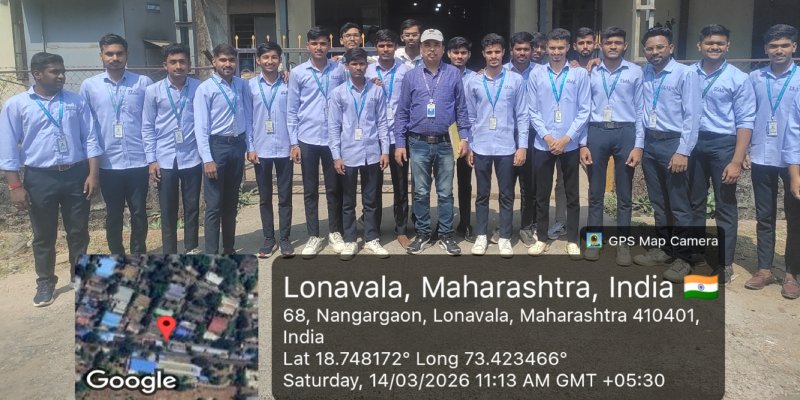
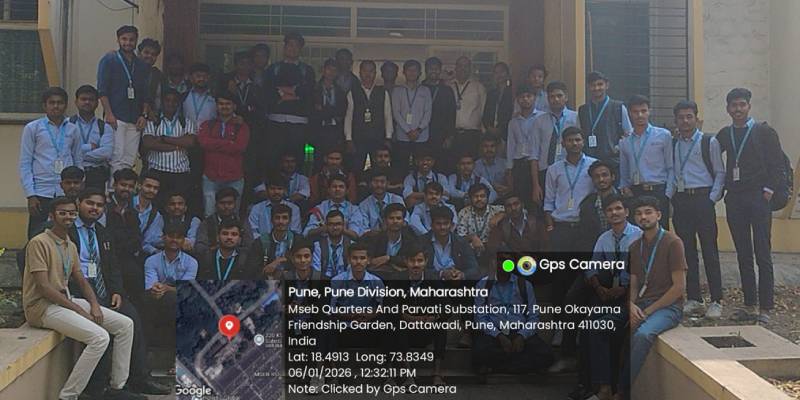
Number of Participants: 150 Students + 6 Staffs
Name of Course for which
Industrial Visit Organized: Theory of Electrical Machine I
Name of Visit Coordinator: Mr. Dhirendra N. Deode
Name of Subject Teacher: Mr. Dhirendra N. Deode
Outcome of Industrial Visit:
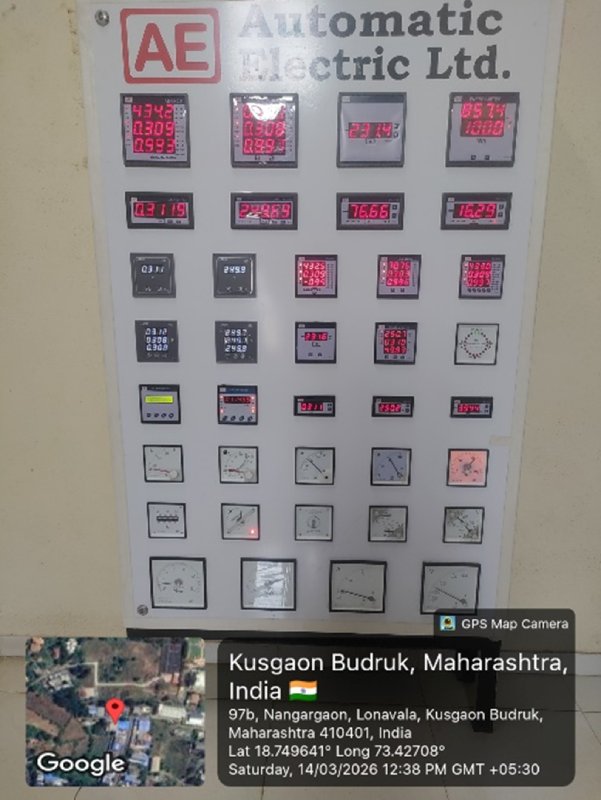
- Working of ammeter, voltmeter, frequency meter, and power factor meter was understood.
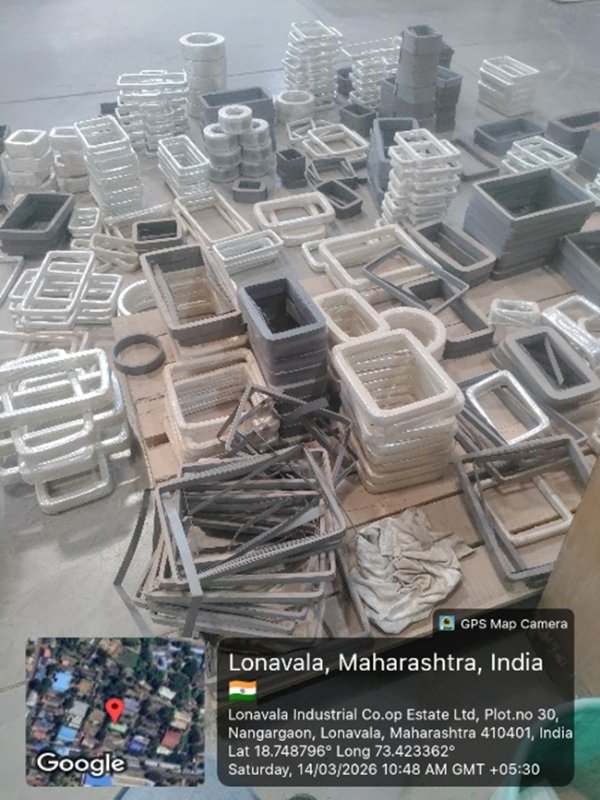
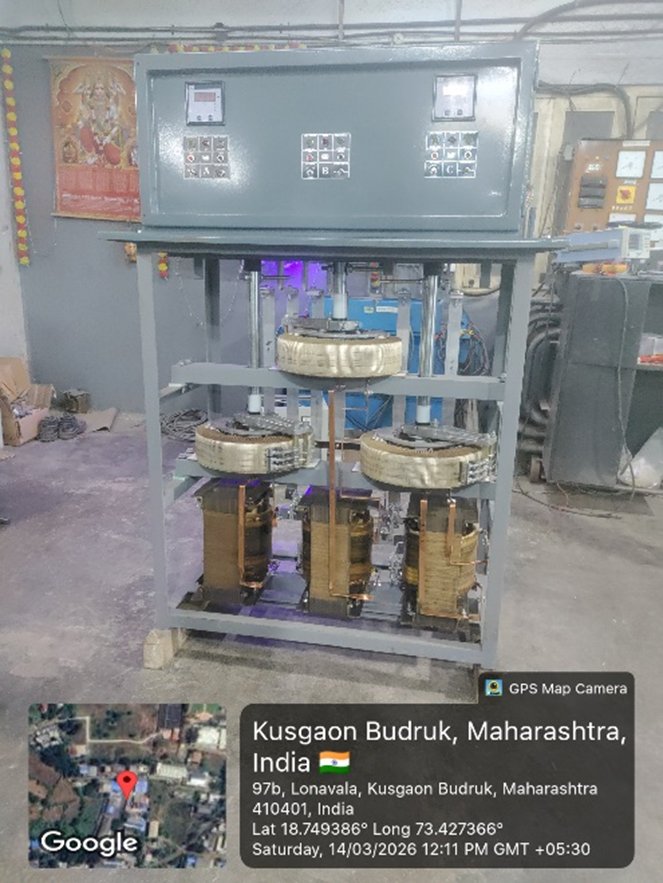
- Manufacturing and assembly process of voltage stabilizers and Dimmer state closely observed.
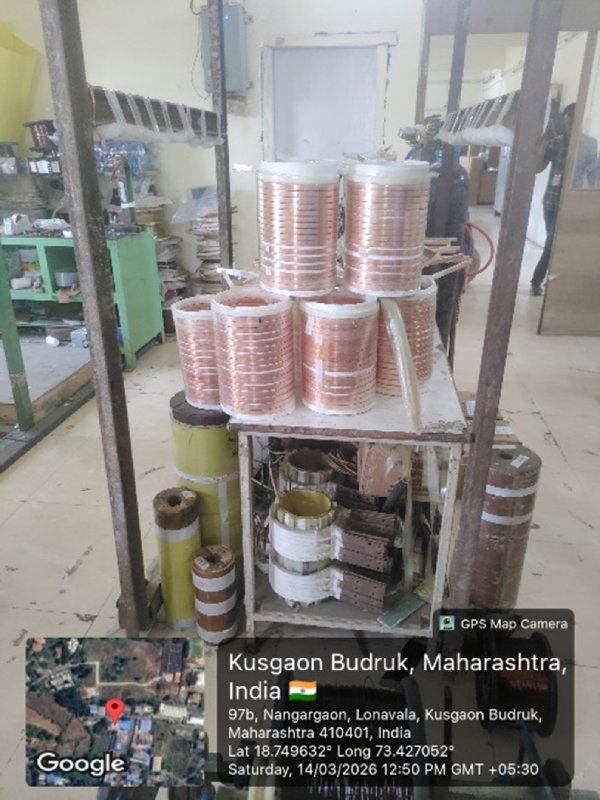
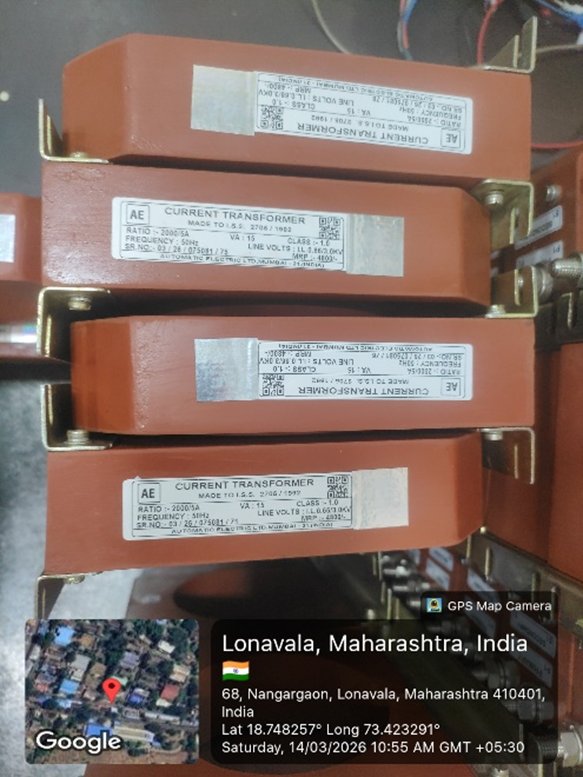
- Manufacturing and Working of Current Transformer (CT) and Potential Transformer (PT) was studied.
- Calibration and testing of measuring instruments were learned.
Introduction:
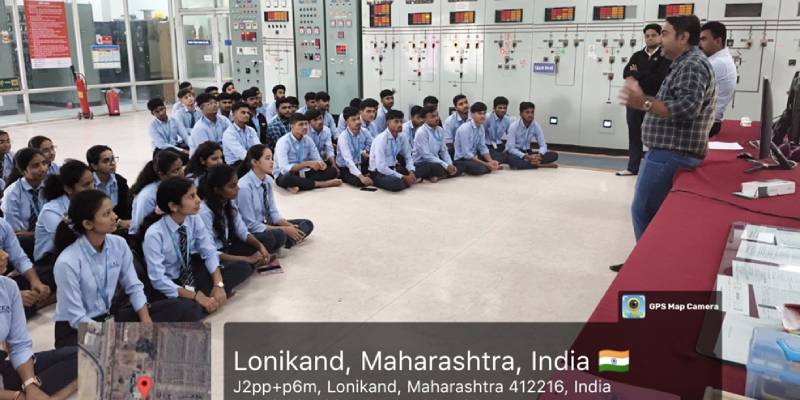
As part of the Theory of Electrical Machine I course, we visited a Automotive Electric Limited industry on 07/03/2026 and 14/03/2026 located at Lonavala, Pune 410401. The purpose of this visit was to gain practical knowledge about the design, operation, and maintenance of Instrument Transformer, Voltage stabilizer, Autotransformer and Analog-Digital Measuring Instrument in a industry. During the visit, we accompanied by Mr. Pramod U. Chavan (General Manager), who provided valuable insights and explanations about the plant manufactured products and their functions. The visit lasted for 2-3 Hour, during which we had the opportunity to observe the different manufacturing section and their safety measures.
Need of visit:
Visiting an electrical industry provides a unique opportunity to gain hands-on experience and knowledge about the functioning of the equipment and systems within the industry. During a visit, participants conduct following objectives:
- To bridge the gap between theoretical knowledge and practical application in the field of electrical and industrial engineering.
- To understand the manufacturing processes and workflow involved in electrical equipment production.
- To observe real-time industrial operations, including machinery handling, assembly, and quality control.
- To gain insights into industrial safety practices and standards followed in manufacturing units.
- To interact with industry professionals and understand career opportunities and skill requirements in the electrical and automation sector.
Such visits are essential for students as they provide exposure to real-world challenges, industrial discipline, and modern technological practices.
Industry/ Substation Details:
1. General Information
- Company Name: Automatic Electric Ltd.
- Location: Lonavala, Maharashtra
- Established: 1942
- Type: Manufacturing and supply of industrial electrical equipment
2. Products and Services- The company manufactures a wide range of industrial electrical and automation products, including:
- Control panel boards
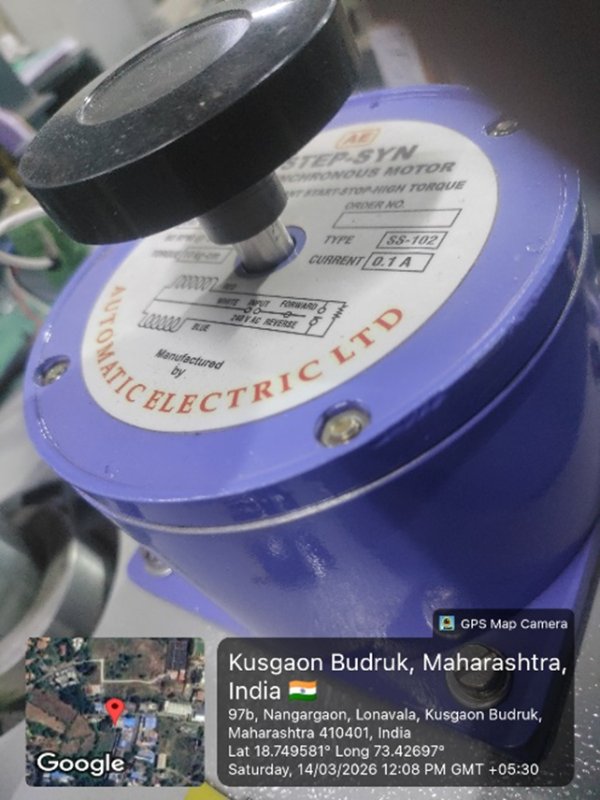
- AC synchronous motors
- Power line transducers
- Energy management systems
These products are widely used in industries such as power generation, manufacturing, and automation.
3. Manufacturing Process- The general manufacturing process observed includes:
- Design and Planning: Engineers design electrical systems based on client requirements.
- Material Procurement: Raw materials and components are sourced and inspected.
- Assembly: Components are assembled into control panels and electrical systems.
- Testing: Products undergo rigorous testing to ensure quality and safety.
- Packaging and Dispatch: Final products are packed and delivered to clients.
4. Safety Measures- The company follows strict safety protocols, such as:
- Use of personal protective equipment (PPE)
- Proper grounding and insulation of electrical systems
- Fire safety arrangements
- Regular safety training for employees
5. Organizational Structure – The organization is structured into various departments:
- Production Department
- Quality Control Department
- Design and Engineering Department
- Maintenance Department
- Administration
Each department works collaboratively to ensure smooth operations.